For seniors, staying active through adaptive exercise is an effective way to remain independent, enjoy daily activities, and live a healthier, more fulfilling life. Outdoor adaptive activities provide an opportunity for individuals to enjoy nature while staying active. Engaging in outdoor activities has numerous benefits, including improved mood, reduced stress, and increased physical fitness. Adaptive outdoor activities are designed to be inclusive and accessible to individuals with different abilities. Some types of fitness programs may be inherently more inclusive than others, but that doesn’t mean that others can not be adapted. Classes, programs, and activities may be disability-specific, like wheelchair basketball, or may be adaptable to activities with individuals without disabilities.
You can also find Pilates workouts on video or online streaming platforms. Additionally, water exercise is good for people with mobility challenges since it supports the body and lowers the possibility of muscle pain. Developing a fitness strategy requires a detailed understanding of each person’s current abilities and aspirations.
In an exercise setting, an adaptive class may differ from an offering for those without the need for a specific adaptation. Common equipment includes arm ergometers, battle ropes, medicine balls, ski ergs, and resistance bands. These tools allow trainers to build effective cardio workouts for disabilities across many ability levels. It focuses on recovery and the restoration of physical function after injury or surgery. Customised programs ensure a safe and effective recovery, gradually restoring strength, flexibility, and mobility.
Adaptive fitness training refers to a personalized exercise program designed to accommodate individuals’ unique physical and mental needs. It emphasizes inclusivity by customizing workouts to meet the diverse capabilities of participants, ensuring a safe and effective fitness journey for everyone. Before embarking on any exercise regimen, especially adaptive exercise, obtaining medical clearance is a necessary step. This precaution ensures that the chosen form of exercise is safe for the individual, given their specific health concerns and fitness level. A healthcare physician, in collaboration with an adaptive fitness trainer, can offer invaluable insights.
Its automated progression adjusts your training based on actual performance data. Freeletics suits individuals prioritizing structured bodyweight training. The AI coach particularly benefits HIIT enthusiasts exercising at home, with a free plan to begin. Upgrading to the Pro version unlocks the complete AI workout generator and sophisticated progression tracking features. Users retain flexibility to customize AI-generated plans by adding or removing specific exercises according to preferences. Recent updates (December 2025) improved loading speed, voice coaching, and health/watch integration.
This ensures that participants feel supported, safe, and capable at every step of their wellness journey. By advocating for greater accessibility and wider knowledge on adaptive fitness, we can work toward a future where exercise is accessible to all. We should encourage fitness centers to include adaptive equipment and to provide training for their staff so fitness app for beginners they can adequately support a diverse clientele. Unfortunately, individuals with disabilities often face barriers to fitness that go beyond their physical limitations.
Physical exercise also provides opportunities for social interaction, an important facet of development often overlooked in special needs individuals. Sports or group exercises can foster teamwork, communication, and cooperation skills. They serve as a platform where these individuals can learn, grow, connect, and create friendships, while also working towards personal and collective goals. The superman is one of the most effective adapted fitness exercises to engage the lower back and core. This exercise is not recommended for people who have existing back injuries.
We’re about to take a deep dive into adaptive fitness programs and digital accessibility, exploring how one is nurtured by the other. And how integrating elements that break down accessibility barriers, physical and cognitive obstacles, transforms online workouts into an inclusive experience for better health. So anyone with the desire to simply move, get toned, fit, and maintain a regular workout routine can do it all online. The final stage of recovery involves gradually reintroducing previous exercise intensity. Transitioning from adaptive workouts to full routines requires careful pacing. Reintroduce high impact movements or heavier resistance only when foundational strength and mobility are secure.
These programs provide individuals with disabilities the chance to participate in sports like wheelchair basketball, adaptive tennis, or boccia. Adaptive sports programs are an excellent way to stay active, build new skills, and enjoy friendly competition. Whether it’s through adaptive yoga, chair exercises, or inclusive outdoor activities, adaptive fitness empowers individuals to take control of their health. It offers a pathway to improved physical, mental, and emotional well-being. Adaptive exercise is incredibly important for seniors, as it helps maintain mobility, strength, and independence. As people age, physical limitations can become more common, and conditions like arthritis, osteoporosis, or general muscle weakness can affect daily activities.

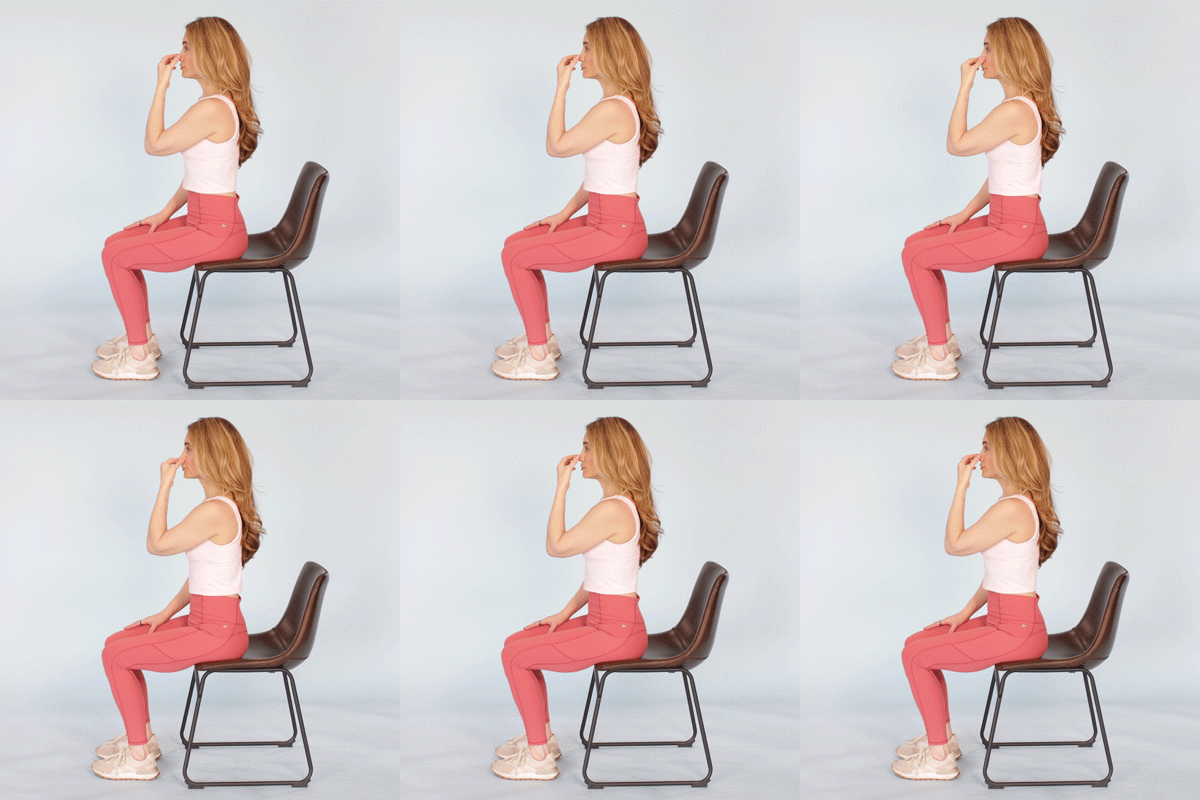
Adaptive fitness refers to personalized exercise programs tailored for individuals with disabilities or special needs. It supports improved strength, motor coordination, emotional regulation, and independence. Whether you’re a parent, caregiver, or coach, these exercises provide a safe and effective starting point for strength training disabilities programs. Adaptive fitness refers to customized exercise programs created for people with physical, cognitive, or developmental disabilities. It’s more than a modified workout—it’s a system that promotes independence, self-esteem, and health through structured, inclusive movement.


 نسخة للطباعة